Disability Benefits & Supports (Saskatchewan)
Navigating what benefits and supports are available can be tricky! This guide is here to help!
What you will find below is based on my personal experience and knowledge of the system. I am not a financial planner, accountant, or lawyer. Benefits, programs, and eligibility can change! Always verify details with the appropriate agency or a qualified professional. While this guide focuses on Saskatchewan and Saskatoon, many federal programs apply across Canada. This guide is intended to help individuals find financial benefits and related supports, but please be aware not every option will be listed!
If you qualify I recommend checking out the Disability Tax Credit, Canada Disability Benefit, and Registered Disability Savings Plan. If you have low income and are not on SAID or SIS, I recommend checking out The Special Support Program and Saskatchewan Housing Benefit.
-
The Disability Tax Credit (DTC) is a federal program that can help you, or your family, by reducing the amount of taxes you may need to pay. It also opens the door to a variety of other valuable programs. Even if you wouldn’t likely benefit from the tax reduction itself, it’s still worthwhile to apply.
-
Figuring out whether you’re eligible can be tricky. The Canada Revenue Agency (CRA) makes the final decision, and having a diagnosis or being unable to work does not guarantee approval. Mental illness can qualify, but it must substantially limit your ability to function compared with others of the same age and circumstances.
You can read about the qualifications at this link.
If you are applying for a mental illness, you will likely be using the “Mental functions eligibility” criteria. Learn more here.
Recent changes have made it easier for some individuals with long-lasting conditions when it comes time to do reapplication, which allows for a simplified form. Some conditions include schizophrenia, Alzheimer’s, Autism Level 3, or Downs Syndrome.
-
The application requires you to complete a form named, Part A and have an approved medical professional fill out Part B. You can submit the completed forms online or by mail; online submission is recommended. All details are here.
My tip is to look at Part B and, for the written questions, write down what you think some of the answers could be and give them to your provider. This helps your medical professional have a clearer picture of what to include. If your provider is not familiar with the DTC, you can direct them to this guide that provides additional information.
Note that your provider may charge a fee to fill out this form; this fee can be claimed as a medical expense on your taxes (more on this later).
For the DTC, you can claim up to 10 years in the past if you had your condition and would have qualified. This is called retroactive approval. The past date must be noted by your professional, and to fully benefit you must check the box that gives consent to audit past taxes (or request it later).
If you are an adult and have a family caregiver, you may wish to transfer some or all of the tax credit; these individuals must also be indicated when you apply. If you do not, you will need to complete additional paperwork later. Details can be found here.
If you are a parent of a child with a disability, you can also transfer the credit to your taxes; similar details apply.
The process can be lengthy, as the CRA can move slowly. Keep copies of everything you submit. If you are denied, you can appeal the decision, send additional information if requested, or reapply later. If you run into difficulties, you can contact your Member of Parliament for assistance.
If the CRA approves you, they will indicate when and if you need to reapply. This may be every five to ten years, approximately.
There are for-profit companies that will help you apply for the Disability Tax Credit (DTC) for a fee. Their charges can be a high percentage of any refund you receive, so use caution if you choose to use them. The CRA does provide a list of non-profit organizations that can assist with DTC applications, click here.
-
The DTC can reduce the amount of taxes you owe, and if you are retroactively approved and have overpaid, you may receive a refund. You may also receive a refund of overpayments or owe less in the current year depending on your situation. The same applies to caregivers.
Similar to the federal and provincial deductions (basic personal amount) you can claim, there is an additional Disability Tax Credit amount that you can claim that is exempt from being taxed. You can learn more about how you claim this on your taxes here. This includes an additional approx $10,000 fed and $14,000 Sask (varies by province) that will become exempt from taxes.
If you worked and paid taxes in the past and have a retroactive claim, you could receive a very large sum. For example, if you worked and paid taxes in the last 10 years, you might be eligible for a refund of $25,000 or more. (Seriously!)
If you do receive a sum, consider keeping a portion ($500–$2,000) in savings untouched for 1–2 years. This is in case the CRA re-audits their audit, and finds an error, which could require you to repay an incorrect amount. This is not a highly likely problem, but can save you from financial stress if it does occur.
The CRA has a helpful page called: Demystifying the disability tax credit.
There are additional benefits to approval, so keep reading below!

-
Both the Canada Disability Benefit (CDB) and the Registered Disability Savings Plan (RDSP) are federal programs. To qualify for either, you must first be approved for the Disability Tax Credit (DTC). In Saskatchewan, and in most provinces except Alberta, neither program affects receiving your full benefits under Social Assistance.
-
The Canada Disability Benefit (CDB) provides up to $200 per month to folks who are considered to have low-income and who are approved for the Disability Tax Credit (DTC).
When you are approved for the DTC you may receive a letter advising you to apply for the CDB. Regardless, you can apply online or by phone.
This is a general outline and figures change yearly; the program is more complex than this summary, which presents a simplified version.
The figures below refer to net income, as calculated on your tax return. Payments are made on the third Thursday of each month.
Single: If your net income is $33,200 or less per year, you will likely qualify for the full benefit ($200).
Spouse or common-law partner who is not eligible for the CDB: If your combined net income is $46,800 or less per year, you will likely qualify for the full benefit ($200).
Spouse or common-law partner who is also eligible for the CDB: If your combined net income is $46,800 or less per year, each eligible person will likely receive the full benefit ($200 + $200).
If income is above the limits, a formula reduces the benefit gradually until it phases out.
The CDB came into effect on June 24, 2025. You can receive retroactive payments after DTC approval for up to 24 months, but the retroactive period cannot extend before the program start date.
After approval, the program will automatically assess continued eligibility following each tax season and you will receive a letter stating your benefit amount.
Beginning in September 2026, a supplemental amount of $150 may be available to help offset costs of obtaining the DTC; this supplement may be paid each time re-certification is required.
-
This is a special savings account that can be opened at your bank of choice. This only applies if you are approved for the DTC and are under 60. You will need to show the bank your DTC acceptance letter.
Grants and Bonds are where the RDSP really shines! Ensure that your advisor sets it up to receive these. Once this is done, you do not need to apply for grants or bonds, they occur automatically. Grants and bonds only apply until the end of the year you turn 49.
Additionally if you have family or other supports who may wish to contribute to your RDSP on your behalf, this should be set up when you create your account.
Funds placed in a RDSP are not considered income and does not interfere with social assistance, unless they are withdrawn.
In order to receive your grants/bonds you must file your taxes each year!
Bonds: For an RDSP, the government adds a bond based on your income, up to $1,000 per year (retroactive allowed) to a lifetime maximum of $20,000, even if you don’t deposit any money.
You qualify for the full bond if your net income is about $38,200 or less. If you earn more, you may get a reduced bond that phases out by about $58,500.
If you’re approved retroactively for 10 years and met the income limits, you could receive $10,000 in bonds just for opening the account!
Grants: For each $1,500 deposited yearly until age 49 (by you or an approved contributor), you may get a $3,500 grant that year. The first $500 deposited gets a 3:1 $1,500 grant; the next $1,000 gets a 2:1 $2,000 grant. If you are claiming past grants and deposits are correct, the government can contribute up to $10,500 in a year, so catching up can take several years.
Past years’ highest grants are paid first (the 3× grants before the 2× grants). If family net income is over $117,000, you can get a 1:1 grant of $1,000 for each $1,000 deposited per year.
Personal Funds: You can deposit any amount each year, but your total lifetime deposits can’t exceed $200,000. Grants, bonds, and interest don’t count toward that limit. The government match is limited as stated, and personal deposit amounts don’t carry over to future years to get matching grants.
Full details on grants and bonds can be read here.
Age Limits: You must be under 60 in order to open an RDSP account. Grants and bonds cease on the last day of the year you turn 49.
Withdrawals: You should not make any withdrawals of the funds you have deposited for 10 years, unless you have a serious emergency. This is because doing so will require a full payback of any of the matching government grants.
So long as you have met the 10 year rule, you can start taking withdrawals at any age. You must start taking withdrawals by the last day of the year you turn 60.
There are special considerations for individuals who have a shortened life expectancy.
Presumably, if you open the account after age 49 and therefore do not qualify for any grants or bonds (including retroactive ones), you can likely start taking withdrawals at any time and would not need to wait 10 years. I’d confirm those details to be sure.
Withdrawal details can be found here.
Taxes: What is in your RDSP is not taxable until it has withdrawals. Any of the original funds you have deposited will not be taxed. The portion that is taxed will be for the grants, bonds and any interest received.
Grants/Bonds Payment Schedule: The yearly bond is usually paid in late February, or about two months after you open the account. When you make a deposit, any grants owed are paid near the end of the next month.
For example, a deposit on April 15th would get any eligible grant around May 31st. Deposits made near month-end may or may not count for that month, depending on the cutoff. So if you deposit on April 30th you may get your grant on May 31st or June 30th.
For all the official RDSP details you can visit this publication by the CRA.

-
Various income supports are available depending on your situation and eligibility. Some are federal, others provincial. Read on to see which ones might apply to you!
-
EI Sickness: If you’ve worked recently, you may qualify for Employment Insurance (EI) sickness benefits, which give short-term financial help if you can’t work because of illness. You’ll usually need a doctor’s note to apply. If you don’t qualify for sickness benefits, regular EI might still be an option.
These programs generally pay up to about 55% of your usual income (often less) to a max of $700 per week, and only for a limited time of around 26 weeks.
You must use any sick days you have accumulated prior to being approved. Additional details are here.
Employment Insurance - Regular: If you lost your job through no fault of your own (not because of illness), you may get basic EI benefits for a short time, usually 14 to 45 weeks depending on your situation. You can receive up to about $700 per week, to a max of 55% of your previous earnings.
Caregiver EI: A family member may be able to take what is called Caregiver Leave for a relation that is critically ill, injured, or at end of life. The length of time and amounts paid varies. Details here.
-
If you have workplace benefits you may have short or long-term disability benefits that would replace your income, these types of benefits typically only kick in once you’ve maxed the EI benefits. This requires a doctors note and ongoing paperwork, if your organization has HR they can help with this, or you will have to contact your benefits provider.
-
Individuals who worked and who are between 18-65 may qualify for Canada Pension Plan Disability Benefits. Keep in mind that if you are on SAID what you receive from CPP would be removed from your SAID benefits dollar for dollar. Having said that it may still be worthwhile to be on SAID if you qualify for the medical benefits.
-
If you are unable to work due to disability, and have no or minimal sources of other income, you may qualify for SAID. On SAID you receive a small monthly payment which is intended to cover your rent and basic needs. It also allows you to qualify for medical benefits.
On SAID you are allowed to work, but only a limited amount per year, and it must be reported. If you work over the amount allowed, you can be required to pay back funds or cease to be eligible for SAID.
The amounts allowed are as follows:
• Single clients $7500
• Couples without children $8700
• Families $9,500
Information on eligibility and how to apply can be found here.
-
If you are not working or are unable to work and do not qualify for SAID, you may qualify for SIS.
SIS provides a monthly payment that is intended to cover the cost of rent and basic necessities. SIS recipients receive less funds than those on SAID and are expected to look for work, though in reality many people remain on SIS for long periods.
On SIS you are only allowed to receive a very small amount in income prior to amounts being removed. Inquire with your worker as to those limits.
Details on eligibility and on how to apply can be found here.
-
Once you turn 65 there will likely be a OAS Pension available to you through a Federal program. Many of the above programs only apply prior to 65, at which point you are expected to apply for OAS.
You can learn more about OAS here.
Guaranteed Income Supplement: Those on OAS may qualify for an additional supplemental payment based on their income, details here.
It’s important to note that SAID and SIS recipients are typically required to start OAS at 60, which is considered “early retirement”. What this means for you will be best explained by your worker.

-
Various federal and provincial healthcare benefits are available, which, as usual, are reliant on your personal circumstances. Keep reading to learn all about the options available!
-
The Special Support Program (SPP) is a provincial program that helps individuals with high drug costs in relation to income. This program will pay a percentage of your medication costs after you meet an out-of-pocket amount as determined by their formulas
Application is a reasonably easy process that includes a basic form, submitting your taxes and prescription costs. You can get the form online or request it at your pharmacy as well as a signed print out of your medication costs.
Once you apply you are automatically reassessed yearly. You do not need to reapply unless you need to inform the program of a change in circumstances, such as marriage. This benefit automatically renews in December each year, and outlines what your benefits will be in January.
All details are available here.
You can be on workplace benefits and SPP at the same time, they will typically coordinate automatically, but ask your pharmacist if you need clarification. You cannot be on income assistance (SAID or SIS) and the SSP.
Seniors may qualify for the Seniors Drug Plan, which involves paying $25 per prescription. Seniors can be on both programs, and if the expense would be lower on SSP that is the coverage that will apply. Details here.
For both programs the medications must be prescribed, and be on the Saskatchewan Approved Formulary. If it is not on the formulary, there can be an exception applied for.
-
The Canada Dental Care Plan is available to help make dental care more affordable.
In order to qualify you must be uninsured, meaning you cannot have dental coverage via your workplace, school, privately purchased or through a pension. You and your partner (if you have one) must have filed your taxes in the previous year.
Your net family income must be under $90,000. If your family income is between $70,000 and $89,999 you will need to pay a portion of the costs, specifically 40% for those at $70,000-79,999 and 60% for those at $80,000-$89,999.
If your dentist charges a fee that is above the government limits, or that is not a listed service, you will be required to pay the difference or total.
If you are on SAID or SIS you may still be able to receive some coverage under the Canada Dental Plan, particularly if something is covered under the CDCP that is not on social assistance.
At present reapplication is required each year, typically after tax season.
To learn about how to apply as well as what dental services are covered, visit this link here.
-
The Non-Insured Health Benefits (NIHB) program provides registered First Nations and recognized Inuit individuals with coverage for benefits not otherwise covered through: provincial insurance, private insurance, or other publicly funded programs.
Information on who is eligible, what is covered and other details can be found here.
-
People on SAID or SIS usually also qualify for Supplementary Health Benefits (SHB). Some people who don’t qualify for SAID or SIS because of income may still qualify for SHB on some occasions.
If you get social assistance, you’re usually enrolled automatically and don’t need to apply. SHB pays for medications (fully or with a $2 co-pay) and helps cover some dental, eye care, hearing, foot care, and medical transportation.
It does not cover therapy or other professional services such as massage.
To learn more inquire with your support worker or check out the details here.
-
There is some therapy covered under Saskatchewan Medicare, and there are low or no cost options, online supports, and more. If you have NIHB coverage, you may also be eligible for services. Lastly workplace or school benefits may provide some coverage.
This section is long, so stick with me, or skip it if it’s not relevant to you.
Centralized Intake: This is through the Sask. Health Authority (SHA) and is at no cost. This is how you access free therapy, support groups, and classes. Most is self-referral, and they will let you know if there is anything requiring referral. The typical process is that you first contact them to apply for services, then they will book an appointment to do an intake and decide what services to connect you with.
You can access the link to apply in Saskatoon here. Or call: 306-655-7777 You can access contact details across the health regions here.
Rapid Access Counseling: This is a program available to those who need non-emergency assistance in a timely manner, for free. These sessions will typically be a one-time connection and “solution focused”. There are online as well as in-person appointments available, and this program is open across Saskatchewan. They also have supports for Youth and those experiencing Suicide Loss.
Visit the following link to learn more.
Free and Low Cost Therapy Nonprofits: There are a variety of organizations that offer these services at low or no cost. You’ll find that they offer individual therapy, support groups and learning groups. In Saskatoon the main organizations that offer this are Family Services Saskatoon and Navera Community Connections.
You can utilize my resources page to see contact details for these and other organizations. Likewise you can use 211 to search for therapy organizations in your community.
NIHB: Non-Insured First Nations individuals can access a variety of covered health services including counseling. For more information visit this link or contact the Saskatchewan office via: 1-866-885-3933 or email: sasknihb_inquiries@sac-isc.gc.ca
Community Based Organizations: CBO’s in your community often offer free classes, support groups, and individualized support. In Saskatoon some examples include CMHA, Crocus Coop, White Buffalo Youth Lodge, The Schizophrenia Society, McKerracher Center, Quint, Out Saskatoon and so on. To learn what organizations are available to you, you can again visit 211 and take a look at my resources page.
Online Resources:
Online Therapy Unit is a Saskatchewan based program that offers free online therapy courses, these courses are typically self-directed and not for emergency needs. Click here.
MindSpring Mental Health Alliance offers a host of free webinars and support groups. Click here.
CMHA H.O.P.E. Learning Centre is an online platform that offers free and paid online learning opportunities, based in Saskatchewan. Click here.
For Profit online spaces that provide virtual therapy can have reduced prices and be more accessible for some folks. Examples include BetterHelp and TalkSpace.
There are many more online resources, but I'll stop here to keep this section brief.
Workplace and Post-Secondary Coverage: If you have benefits through your workplace or schooling you may have access to coverage for therapy. Check with your plan, HR or Student Services.
Out of Pocket: For individuals who have financial resources you can choose to pay for therapy out of pocket. In this case you can search online or ask for referrals from your personal connections or healthcare providers. Psychology Today can be a good resource to try.
Emergent Needs: For urgent or emergency support needs you can contact Saskatoon’s Mobile Crisis: (306) 933-6200, 988 (National Suicide Prevention Hotline), 911 (Emergency), 811 (Provincial health line), Hope for Wellness Hotline 1-855-242-3310 (National Indigenous hotline), or search using 211.
Kids Help Phone can be accessed by calling 1-800-668-6868 (toll-free) or text CONNECT to 686868
-
You may have coverage through your or your spouse’s workplace benefits, or through your post‑secondary. Each benefits package is different in what it covers. Commonly included items are some or all of the costs for medication, dental care, and optometry. Many plans also offer a limited amount of coverage for therapy and other health services, such as massage therapy or chiropractic care.
To find out exactly what your plan covers, contact your HR department, Student Services, or your benefits provider.

-
Sorting through housing supports can feel confusing and overwhelming. This outline may not solve this problem, but it hopefully collects some available resources.
For those located in Saskatoon, Saskatoon Housing Initiatives (Shipyxe) can also be a helpful resource in locating housing.
If you’re elsewhere in Saskatchewan you may want to try a Google search or call 211 (or visit the website), to find subsidized housing.
-
The Saskatchewan Housing Benefit (SHB) is an income based support available to individuals and families who pay 35% or more of their net income towards shelter costs. There are two categories of payments, a) for those who spend 35-45% of income on rent and b) those who spend above 45%.
It’s important to note that those on Income Assistance (SAID or SIS) cannot utilize this program, nor can individuals utilizing social housing programs.
Income limits and amounts available are as follows:
Single ($43,100) - can receive a monthly payment of $210 (35-45%) or $270 (+45%).
Single or Couple with one dependant ($52,900) - can receive a monthly payment of $270 (35-45%) or $330 (+45%).
Single or Couple with two or more dependants ($63,800) -can receive a monthly payment of $330 (35-45%) or $390 (+45%).
These figures are periodically updated and are current as of July 2026.
To get SHB you must file your taxes, show your rental agreement (lease or similar), and give utility details (power and water, if applicable).
If approved, payments come near the end of each month. After 6 months they confirm continued eligibility and may ask for documents. After 1 year you must reapply and they will send you notice which will list required documents.
Approval lasts 1 year but can be renewed for additional years.
To find the application as well as all the other details on this program click here.
-
Subsidized housing and affordable programs are available across Saskatchewan. These types of living spaces are often in high demand, and therefor there can be a significant waitlist for many of them.
In Saskatoon some of the options include:
Saskatoon Housing Authority, for low-income housing (largely for families and seniors but some individual options). Click here.
NorthStar Supportive Housing, has a variety of housing options available for those with mental illnesses. (Formerly Saskatoon Housing Coalition). Click here.
Crocus Coop, has a limited number of supportive housing units. Click here.
Quint Saskatoon, a collection of affordable housing units. Click here.
Cress Housing, has affordable housing for First Nations individuals. Click here.
Camponi, affordable housing for Metis and Indigenous individuals. Click here.
CUMFI, a variety of programs and housing options. Click here.
There are more options than these, but this is a good start. If you’re elsewhere, search online for "subsidized housing" or "affordable housing" in your area or contact 211 for help.
-
Group homes (privately operated) can work for some people with mental illness.
They’re like family homes with roommates and a caregiver. Residents may have simple chores and rules to follow. Homes usually provide meals, help with medication, and encourage joining day programs in the community.
Funding often comes from social assistance or related programs, and sometimes from family.
Saskatchewan coordinator: 306-787-3848 Saskatoon: 306-655-4590
If you’re coming from hospital or have a social worker, they can often help you find a group home.
-
Emergency shelters exist across Saskatchewan. Larger centres have more options, and some supports are available in rural areas. Unfortunately shelters can at times be full.
In Saskatoon some of the shelters include:
YWCA Saskatoon, has a collection of women’s housing options available, including their emergency shelter and longer term supportive transitional housing. You can learn more here or call 306-244-2844
Salvation Army, has a men’s shelter with limited beds. You can learn more at their website here or call 1-877-823-1080
The Mustard Seed is a temporary shelter that is currently located downtown, they are in the process of opening a new permanent location in September 2026. For details visit their website here or call 1-833-448-4673
Emergency Wellness Centre, The Saskatoon Tribal Counsel (STC) operates a temporary shelter located in Fairhaven. Details can be found at this link or by contacting 306-249-5426
Interval House is a shelter for women who have experienced domestic violence. Visit their website here or 1-888-338-0880
Coordinated Access Saskatoon, is a program that can help individuals find shelter. You can visit their website here or contact them via 306-321-2087, 306-250-0423, 639-471-9104 or email coordinatedaccess@mns.ca
Across Sask. you can find shelters via an internet search, 211, or by utilizing one of the following:
PATHS, is a website that provides information and this link lists the available shelters available in Saskatchewan.
Shelter Safe, provides a list of domestic violence shelters across Canada, click here.
SASK SPCA, provides information here regarding animal safekeeping in a domestic violence situation, click here.
There are more resources than I listed, but this is a good start.

-
There are many community based organizations (CBO’s also sometimes called Non-Profits) in most areas. Instead of listing them all, check my resource page or call 211 for local options.
Here are common types of supports you might find. Each organization is different, but they could offer some of the following:
Job assistance and workplace training
Life-skills programs
Tax-filing help
Recreational programs and funds for activities
Support and learning groups
Cultural activities
Food support
Advocacy & navigation
Financial planning
Health-care services
Peer support
It’s worth checking organizations near you to see what services they offer and how they can help.
-
Filing your taxes is essential to access many provincial and federal supports. Programs like the Disability Tax Credit, Dental Care Benefit, Saskatchewan Housing Supplement, and Special Support Program require filed returns.
Filing can also bring other benefits such as potential tax refunds, the grocery benefit, workers’ benefit, and child tax benefit.
Below I’ll list information on these supports and share options for getting help filing your taxes.
As an additional note, if you are approved for the DTC make sure you make this distinction on your taxes as it qualifies you for additional exempt amounts, which can lessen your taxes or give you a refund of overpayments. Additionally, parents may claim the disability amount for their children under 18. Likewise adult dependents may transfer all or some of the credit to approved family supports.
-
Filing taxes is very few folks idea of a good time…besides accountants 🤣, luckily there are resources that can help you with this for free!
Check in with the Saskatoon Foodbank, Saskatoon Public Libraries or google organizations in your community that offer this.
On Canada.ca they have a page dedicated to to listing organizations that provide free tax clinics, click here.
If you have a reasonably simple tax situation you may be able to utilize websites that offer free programs to complete your taxes. I use WealthSimple, which I’ve found to be great, link here.
Otherwise if you can afford it you can use a local accountant or tax filing services such as H&R Block.
For individuals with lower incomes who do not owe taxes, there has been new legislation in the works for there to be an automatic tax filing serve. So keep an eye out for that.
-
The Canada Groceries and Essentials Benefit (CGEB) (which was formerly the GST/HST Credit) is available to individuals and families with low to moderate income and is a quarterly payment. You do not need to apply for this benefit, so long as you do your taxes as it is automatically applied to those who meet the financial threshold.
You can read about eligibility at this link, and read about how much you might receive here.
The amount provided is updated each year in July after tax season.
-
The Canada Workers Benefit is a refundable tax credit provided to individuals and families who are working and earn a low income. When doing your taxes there is a section provided where you must check off that you are claiming this credit.
You can read the details regarding income limits and how much you might receive by visiting this link.
Individuals who are approved for the DTC and who qualify for the CWB can also receive a supplemental payment that increases the amount that they receive.
The details are a bit fuzzy, but I believe you receive a 50% portion of the refund on your taxes and then the remaining 50% as 3 payments throughout the year.
In Saskatchewan a portion of the CWB is paid by the government of Saskatchewan, but the payment comes as one lump sum. I just mention this as you may notice 2 payment sources on your CRA page under payments.
-
You can reduce your taxes or get a refund of overpayments, by claiming eligible medical expenses if they’re large enough compared to your income, per CRA rules.
Eligible costs include medication, therapy (registered social worker, counselor, psychologist), eye exams and glasses, dental work, and certain other health services.
If you must travel a set distance for medical care, you might be able to claim mileage and related travel costs. You can also claim private insurance premiums that you pay.
You cannot claim any expenses already covered by benefits (work, private, school), but you can claim any co-payments.
The CRA lists which services and practitioners qualify at this link. Note that there are some variations as to who qualifies based on province.
If you qualify for the DTC, you may also be eligible to claim other items, such as attendant care, specialized devices, disability supports, and similar expenses. You can also claim costs paid to a medical practitioner to help you qualify for the DTC.
You can’t claim the same expense under both tax lines, but you can choose the option that gives you the bigger benefit.
-
Eligible families can get a monthly payment to help with child costs until they reach 18.
If parents are separated, and have equal shared custody, they split it 50/50. If one parent has 60%+ custody, that parent gets the full amount.
Both parents normally must file taxes to receive it. If attempting to have a ex-partner file, is unsafe due to domestic violence, exceptions may apply.
-
Families can get an extra monthly payment for a child with a long-term disability until the child turns 18.
To qualify, the child must be approved for the DTC and the caregivers must file their taxes. As per the previous point, various rules apply for split custody.
-
This provincial tax credit helps families cover the cost of children's cultural, recreational, and sports activities. You do not need to provide receipts but should keep them for 6 years, if they are asked for.
The standard rate is $300 per year, which increases to $400 for a child that’s approved for the DTC.
The family income cap to claim it is $120,000.

-
There are several organizations and resources that can support you on your journey to getting benefits, I’ll list some helpful options here to get you started, there are likely other great options too.
When searching for assistance be wary of organizations that claim to help you get the DTC (or otherwise) for a fee or a percentage of your return (as applies). Several professional looking websites with official sounding names are out there that are not reliable or a scam. Some are indeed legit, but I don’t recommend this route especially if you can utilize a free resource. Consult an expert if need be.
Plan Institute: Provides free resources and support around the DTC, Canada Disability Benefit, and the RDSP. They are located in BC but they state they help across Canada. Visit their website here.
Inclusion Canada and Inclusion Saskatchewan Indicates that they have free one-on-one support. It states it is for individuals with intellectual disability, neurodiversity and more. Details here & here for SK.
Anti-Poverty Ministry (Regina): May assist with a variety of needs such as applying for financial assistance, contacting your SAID/SIS worker, and other supports. Details here.
Saskatoon Foodbank & Learning Centre: Provides emergency food hampers, free trainings and certification programs, free tax clinics and more! Learn more here.
Foundations Learning: Provides free and low-cost classes, information, and services for a wide range of topics, including Financial Literacy. Website here.
Disability Alliance BC: This organization provides a wide variety of information and resources, some may only apply in-person but a lot of information is useful. Click here.
Disability Benefits Wayfinder: You can indicate the province you are in, and it outlines the various disability benefits and programs available and who to contact. Click here.
Contacting your MLA (Member of Legislative Assembly): If you are having difficulties with a provincial program (this would include SAID, SIS, Supplementary Health Benefits, Special Support Program, Saskatchewan Housing Benefit), you can contact your MLA for assistance. If you do not know who your MLA is, you can search on this website.
You can typically contact them via dropping in or making an appointment, over the phone, email, and letter. Include your full address in your correspondence.
Contacting your MP (Member of Parliament): If you are having difficulties with a federal program (this would include Disability Tax Credit, Canada Disability Benefit, Tax Benefits, Canada Dental Benefit, EI, or Canada Pension), you can contact your MP for assistance. It is often easiest to contact them via email, but you can also call and sometimes drop-in or make an appointment if they are in town. If you do not know who your MP is, you can search on this website.
Include your full address in your correspondence. In order to assist you they likely will require you to sign a release and in the case of many programs will need you to provide your social insurance number.
Fun fact! You can send a letter to your MP or the Prime Minister without a stamp to their Parliamentary Address in Ottawa.
-
Many of the above organizations can assist you or direct you towards helpful programs for your child. Here are a few additional options!
Cognitive Disability Strategy: Is a provincial based program to assist individuals with cognitive impairments and their families. The child or family will be set up with a consultant who can help to coordinate services for unmet needs. Learn more here and here.
Family Respite Benefit: This is a provincial program that can help eligible families to pay for the expense of alternative supervision or care of a child with an intellectual disability. They must be approved through CLSD. Learn more here.
Moms & Kids Health Saskatchewan - A website and information provided by the SHA. Click here for the website and here for a list of services available.
There are a lot of additional programs, but hopefully this gets you started. For more resources, check-in with 211, your team, or your personal connections.
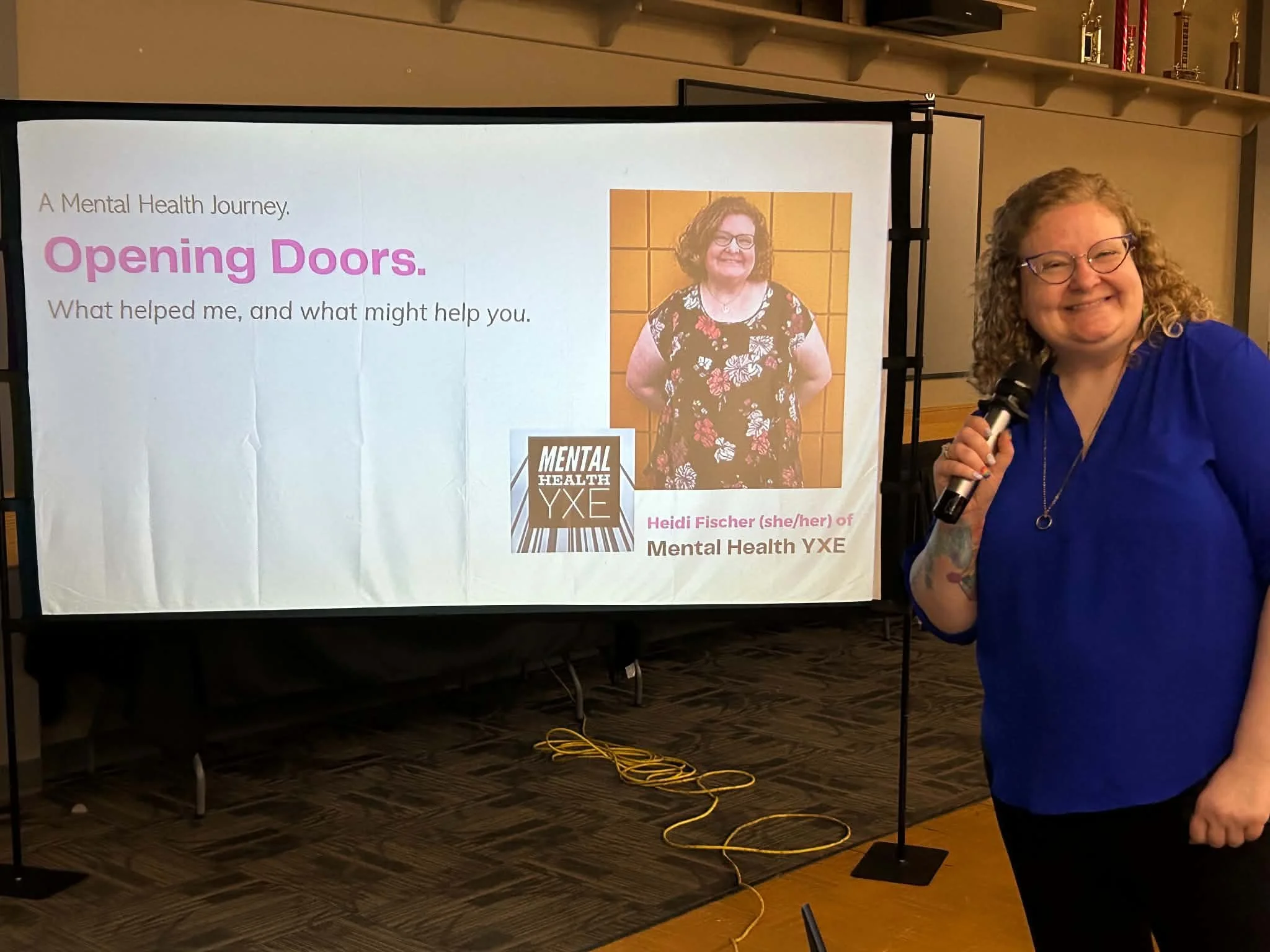
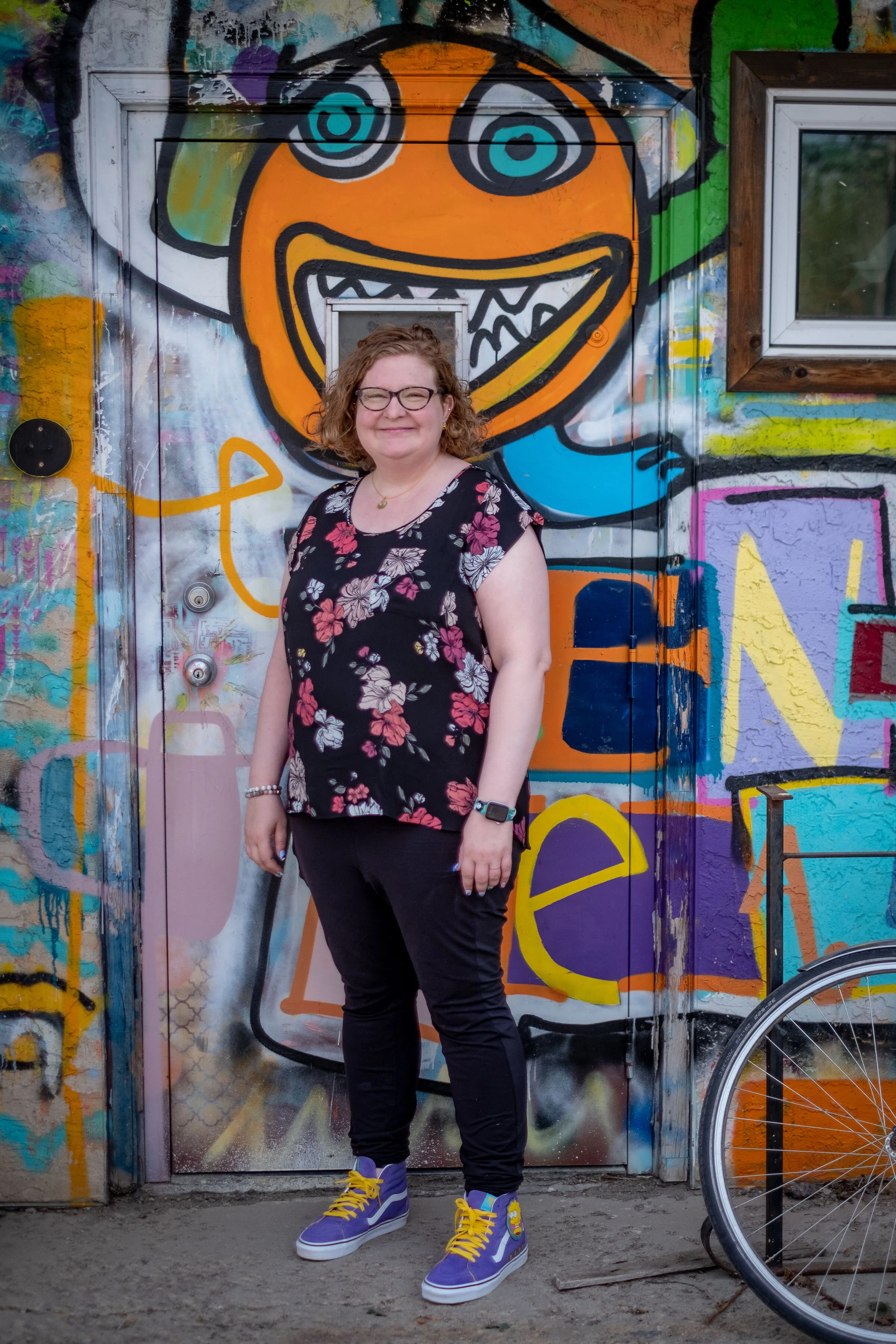
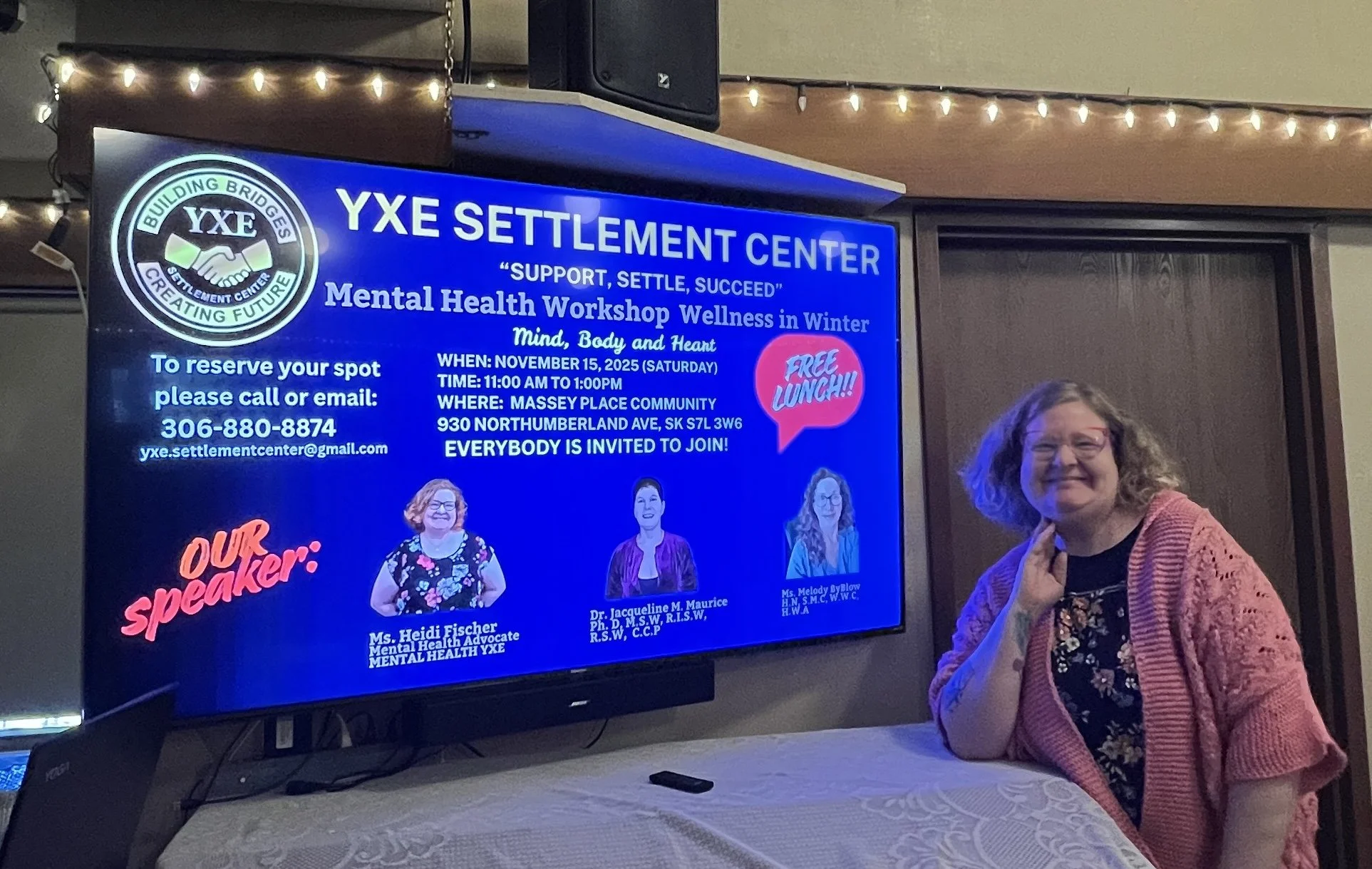
I spent about 22+ hours compiling this resource as a passion project to help people find financial and related supports. I understand how confusing it can be to navigate eligibility requirements, applications, and available options, I hope this will help! This guide is not exhaustive, but I have worked to make it as comprehensive and accessible as possible.
If you’re a professional who refers clients here, or if you found the information helpful, please consider supporting this work with a contribution on buymeacoffee.com/YXE or message me to arrange another way. I understand that not everyone can give, that’s okay! I would love to hear if this resource helped you, introduced a new benefit, or led to additional funds. Message me to share your experience.
Mental Health YXE costs me approximately $500/year to operate, this includes website fees and paid tools required to create resources. This website is highly utilized by the community, with more than 13,000 visits to the Resources page alone since 2018. Contributions help to support me and all that I offer to the world.
Please do not copy or republish this compilation. Instead, please direct people to this page so they can access the most current version and support the original resource creator. If your organization is interested in developing a similar resource guide, I offer paid resource development and consultation services. Please contact me to discuss your project and needs.
Thank you for helping support accessible, community-based resources. ❤️
This Benefits Wayfinder may help you to find other supports available.
This resource is up to date as of July 2026, I will update it periodically.